

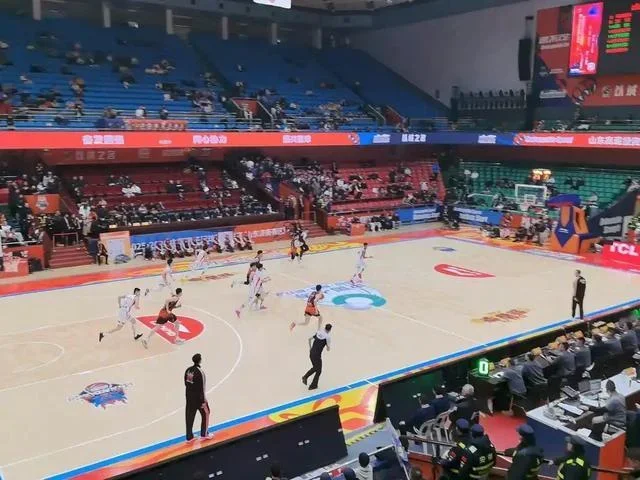
The CBA postseason witnessed a dramatic shift when the Shandong Hi-Speed Men’s Basketball Team was eliminated following a crushing 68-96 defeat in Game 2 of their quarterfinal series against the regular-season champions, the Shanghai Jiushi team. The loss, combined with head coach Qiu Biao’s postgame remarks, sparked intense discussions about professionalism and team dynamics.
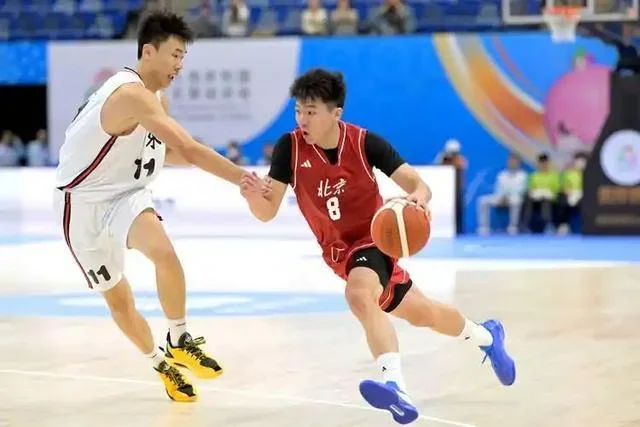
The defeat came at the Jinan Olympic Sports Center, where the atmosphere was tense from the start. Shandong had lost Game 1 by 7 points on the road, making this a must-win situation. A surprising highlight was the appearance of former star Ding Yanyuhang, who once dominated the league for Shandong and later played in the NBA. His presence reignited nostalgia among fans, but the team’s performance failed to match the emotion.
From the opening quarter, Shandong fell behind by 22 points. Center Tao Hanlin logged 38 minutes, underscoring the team’s reliance on its core players—his season average of 36.8 minutes per game led all interior players in the league, despite chronic knee issues. Other key players like Gao Shiyan and Chris also played through injuries, leaving the team vulnerable.
After the game, Qiu Biao initially apologized to fans and the media for the poor start, admitting the coaching staff was unprepared. However, he then surprised everyone by stating that some players “don’t deserve the word ‘professional’.” The remark broke the unwritten rule of protecting players in public, raising questions about the boundaries of a coach’s criticism during high-stakes moments.
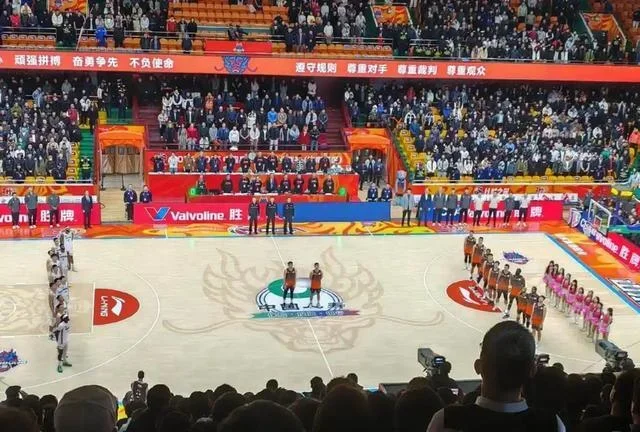
This outburst reflected the pressure Qiu faced after taking over mid-season, only to see the team’s promising regular season—which saw them rise from mid-table to a top-four finish—end in a lopsided loss. The defeat exposed deeper issues: Shandong’s bench scoring accounted for just 22% of the total, well below the league average of 35%. This forced starters to play heavy minutes, a problem exacerbated by the new 10-minute quarter rule that increased game pace but not enforced rest.
Shanghai, meanwhile, had four players averaging over 15 points per game, using effective zone defense to neutralize Shandong’s predictable isolation-heavy attack. The lack of secondary scoring and weak youth development—no young players from the academy stepped up—left the team without reliable depth.
The loss highlighted systemic challenges in the CBA, including the need for better player workload management and stronger youth pipelines. Qiu’s postgame comments, Ding’s return, and Tao Bolin’s determination to come back next season all underscore the tension between ambition and reality in professional sports.
For Shandong, the path to a top-four finish next season requires immediate adjustments: better load management for core players, investment in scouting and youth training, and a more balanced offensive strategy. The team must also consider how to integrate young talents and reduce over-reliance on a few stars. The road ahead is tough, but the lessons from this playoff exit provide a clear roadmap for renewal.
