

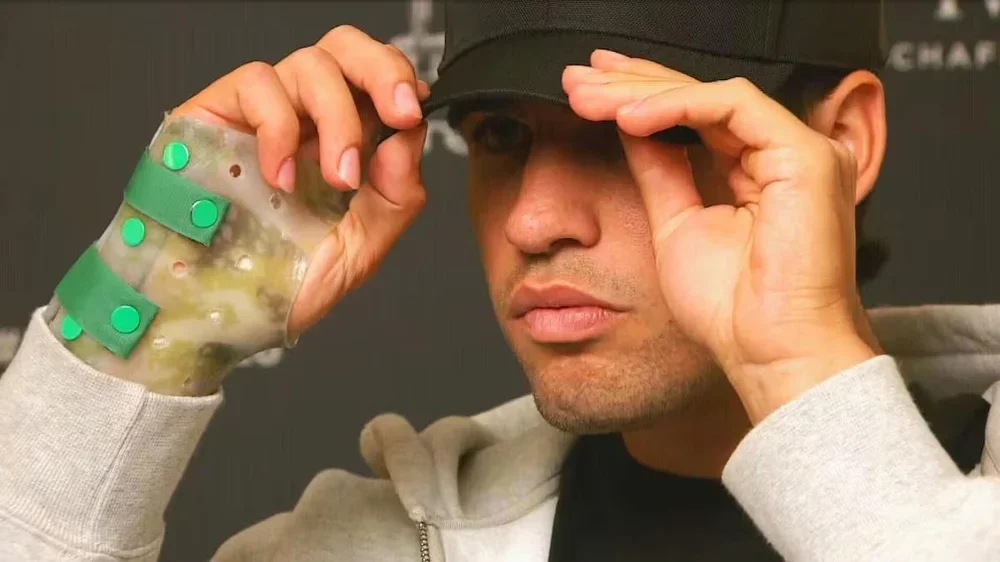
Alcaraz’s absence weighs heavily.
His injury-forced withdrawal impacts not only the sporting side but also the economic one. The Masters 1000 in Rome is a prime example: fewer ticket resales, reduced commercial impact, and a drop in audience. So where should the focus shift? To emerging talents like Rafael Jódar or Flavio Cobolli.
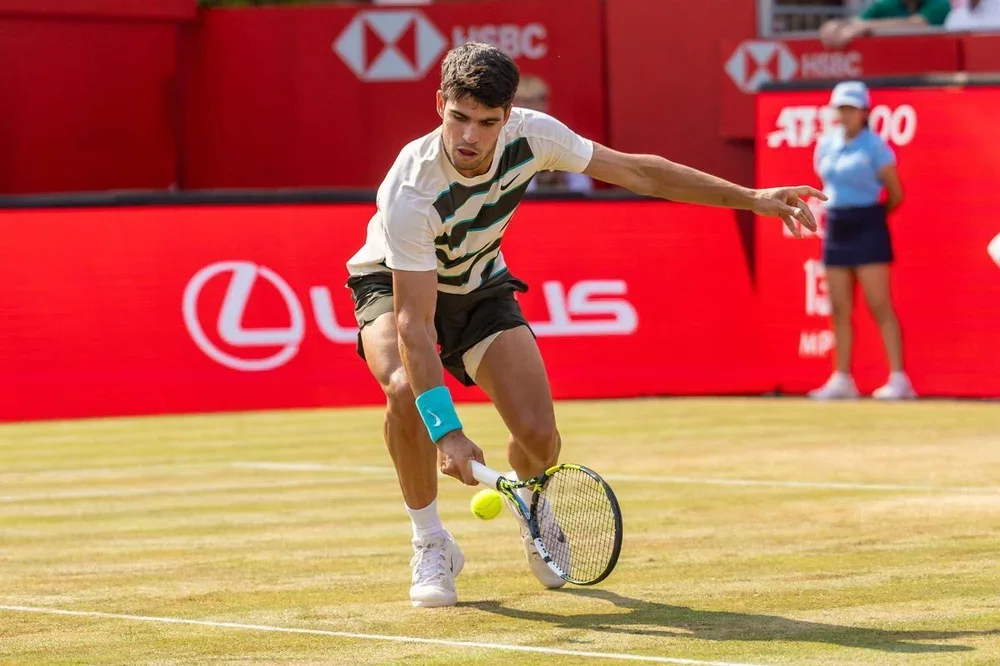
Last year’s champion, who defeated his rival Jannik Sinner in the final, won’t step onto the Foro Italico. A wrist injury keeps him out of Rome and, for now, Roland Garros—tournaments he conquered just a year ago. This reshapes not just the draw but also everything surrounding the event.
No Sinner-Alcaraz Showdown
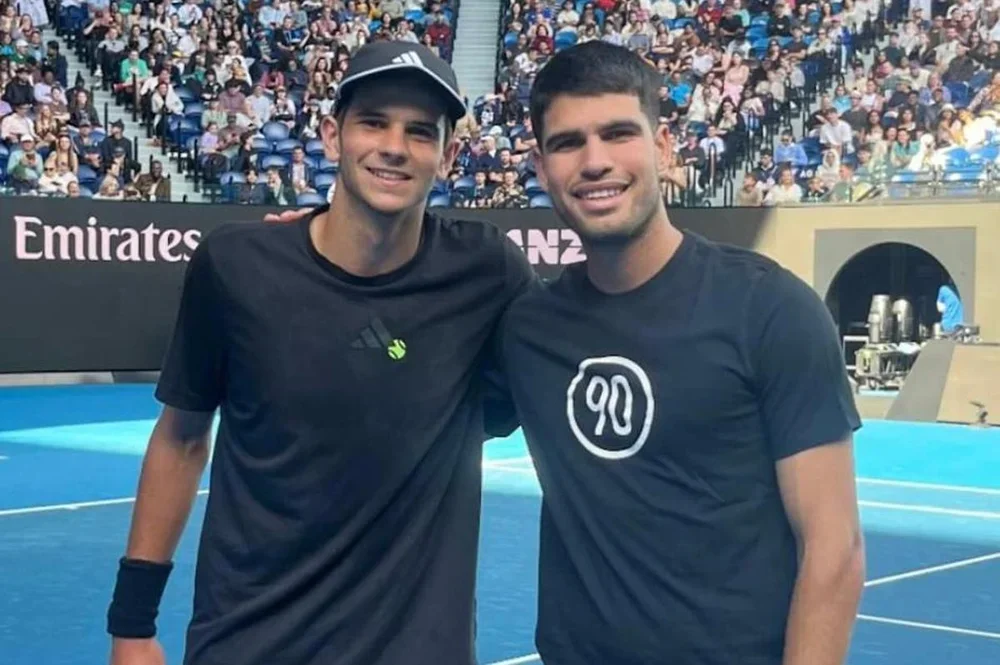
For years, fans have eagerly anticipated finals between the San Candido native and the Murcian. “Because it’s the best match in the world for the past couple of years and likely will remain so for several more. So the first negative aspect of Carlos’s absence is that we won’t have that match,” explains Pietro Barbera, expert and CEO of the consultancy firm Sportmaster, as well as former director of an academy where Sinner himself trained.
Last year, the Sinner-Alcaraz final was a major draw—a clash of titans. This year, Novak Djokovic’s return somewhat fills the gap left by Alcaraz, as a potential final between the Serbian and the Italian is possible. But organizers are pinning their hopes on young talents who attract crowds.
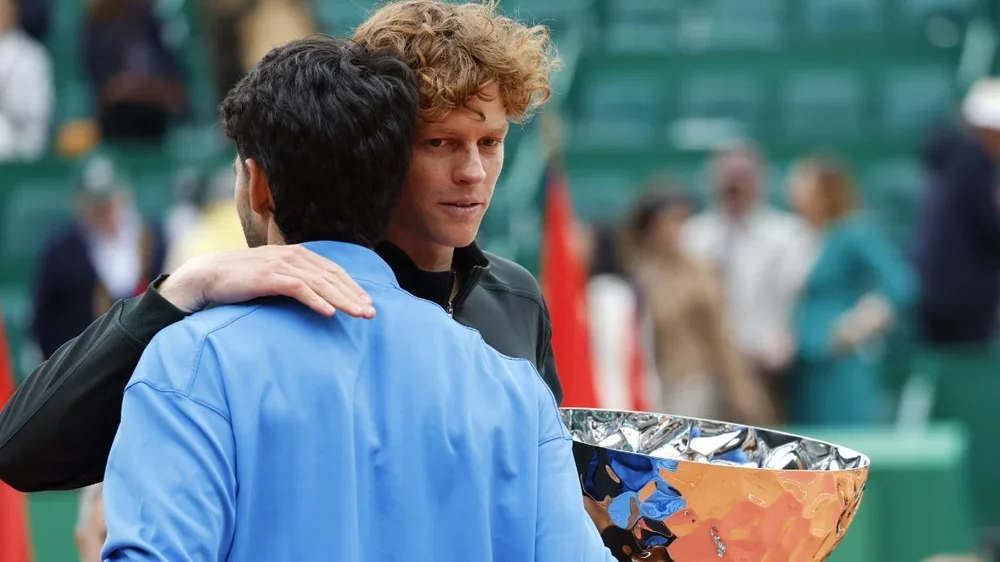
“From the tournament’s perspective, the focus is on emerging talent—someone new who can guarantee a challenge for Jannik, whom the public sees as the likely finalist,” Barbera adds.
This narrative includes Spanish rising star Jódar or local idol Cobolli, a declared Roma fan who plays on home soil. “This is an opportunity, in terms of storyline and overall attitude, to introduce new names,” he explains.
The tournament can transform the individual loss of Alcaraz into a tale of fresh rivalries and young stars. The Spaniard and the Italian aren’t the only ones; there are Joao Fonseca, Arthur Fils, Alexander Blockx, and more. Brands are interested in this narrative as well—betting on the new generation. Out with the old, in with the new.
Lower Peak Audience and Stiffer Resale Market
The absence of the Sinner-Alcaraz duel weighs on sponsors, who need alternatives. “It doesn’t hurt financially because Rome’s sponsorship deals were closed long ago, but from a branding standpoint, something difficult to fill is missing,” the expert emphasizes.
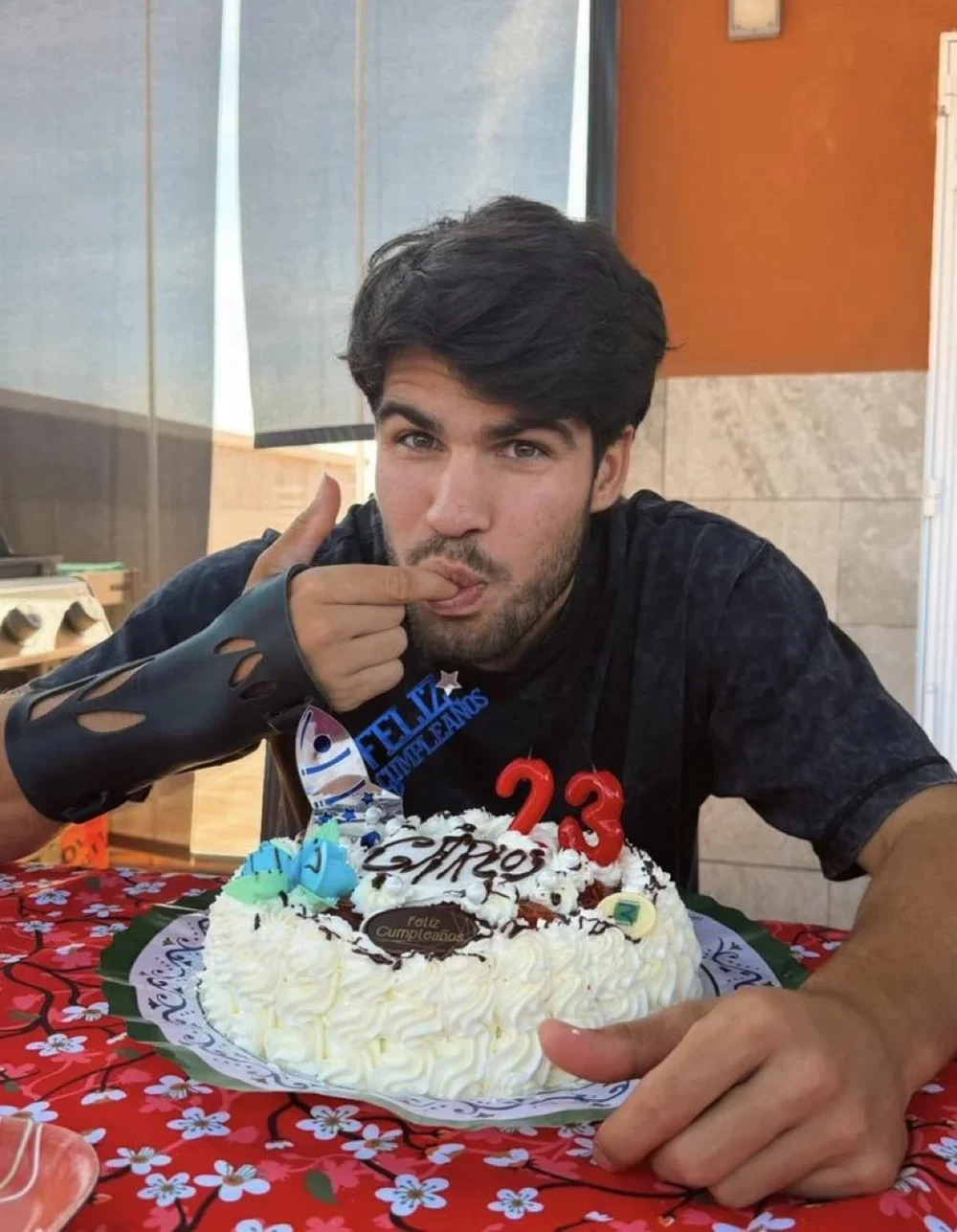
What’s lost is precisely the peak audience—what brands value most. Especially if the winner isn’t Sinner or Djokovic. That’s why the gap “is being filled with a new narrative focused on the Next Generation.”
Regarding ticket sales, the direct impact of Alcaraz’s absence has nuances. Barbera argues that the tournament’s near-sellout was virtually guaranteed after the last edition, so the direct effect on ticket sales is limited. However, there will be a drop in the appeal of the secondary market—the resale market.
Thus, organizers are betting on a model that maximizes the event’s value by accumulating multiple compelling sports stories throughout the competition. The goal is to sustain public and digital audience interest continuously, reducing reliance on a single high-audience moment.
